
Discover Afro-Brazilian history and culture on a walk tour through São Paulo
Recover the hidden stories of the Black population on a tour that combines culture, memory, and resistance at strategic points in São Paulo.
The largest metropolis in Latin America is known for its impressive skyscrapers, lively nightlife, and diverse gastronomy. São Paulo is a true cultural melting pot, where traditions from all over the world meet and blend. But behind all its modernity, the city also holds deep and often forgotten stories in its streets and neighborhoods. Among these narratives, the rich and resilient history of the Black population stands out, shaping the identity of both the city and the country.
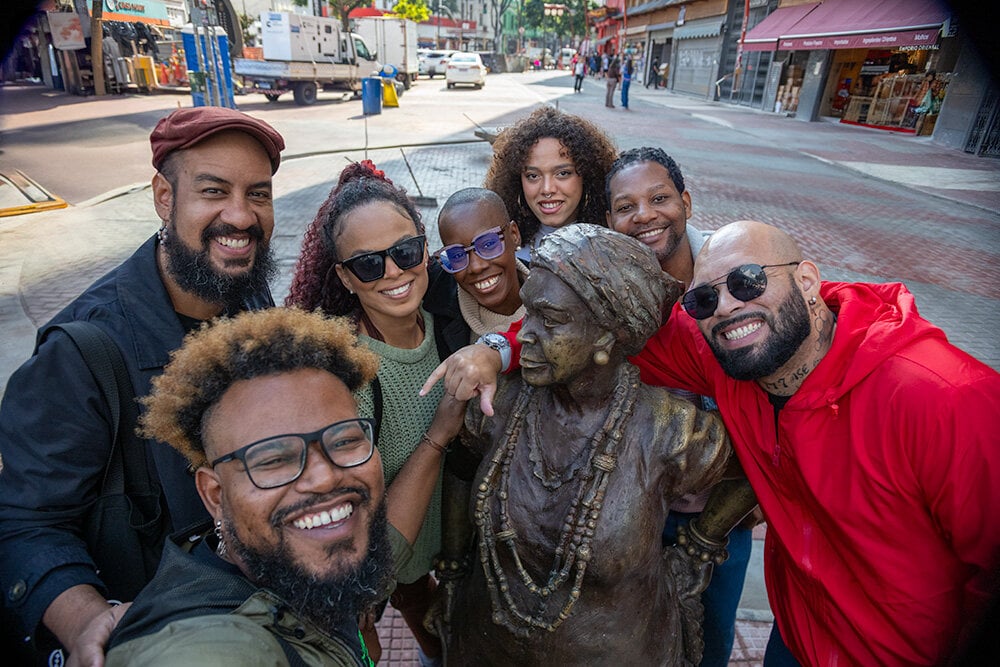
The Walk Tour São Paulo Negra is an invitation to closely explore this rich history and visit emblematic locations that help tell the story of resistance and appreciation of Afro-Brazilian culture.
BLACK HISTORY AND CULTURE IN SÃO PAULO
Over the years, many of São Paulo’s stories and contributions have been erased by structural racism. The Black presence in the city dates back to the colonial period when enslaved Africans were brought to work on farms, in construction, and in urban services. Even after the abolition of slavery in 1888, the Black population continued to face challenges but also built a vibrant and resilient culture reflected in music, religion, cuisine, and the fight for rights.
A JOURNEY OF RECOGNITION AND RESISTANCE
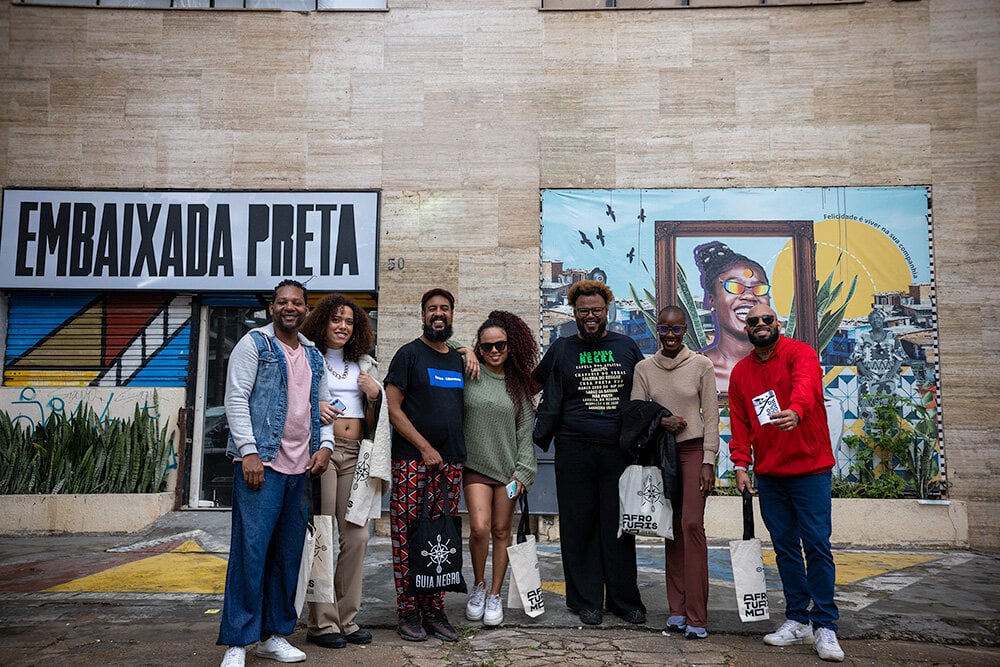
The Walk Tour São Paulo Negra begins at 10 AM, meeting at Praça da Liberdade, in front of Igreja Santa Cruz das Almas dos Enforcados—near the Liberdade Metro Station. The experience is led by hosts from Guia Negro, who narrate the stories with passion and depth, connecting participants to the Afro-Brazilian roots of the city.
The 3.5 km route includes around 10 historical sites, each with its own narrative and significance.
The first stop is the Igreja Santa Cruz das Almas dos Enforcados, a place filled with history and symbolism, dating back to the colonial period and the Black struggle for dignity and recognition.
Next, the guide takes you to the Igreja Nossa Senhora Rosário dos Pretos, one of the first churches built by and for the Black community in São Paulo. This place not only served as a space of worship but also as a meeting point and center of resistance during slavery times.
Another important site is the Mãe Preta statue, a monument honoring the Black women who were wet nurses during the slavery period. The statue is a symbol of strength and resistance, representing the crucial role these women played in shaping Brazilian society.
The tour also stops at the old Pelourinho, a site where enslaved people were publicly punished, and the former Morro da Forca, in the Liberdade neighborhood, used for executions during the colonial period. Though marked by pain, these places are essential to understanding Black resistance history in the city.
In addition to historical locations, the tour also covers contemporary African migration, the influence of Black music, and modern social movements, showing how Afro-Brazilian culture remains alive and vibrant in São Paulo.The experience lasts about 3 hours and ends at Largo Paissandu, an emblematic site of São Paulo’s culture. Along the way, there are moments for rest, conversations, and reflections, making the activity accessible to people of all ages.
HOW TO GET THERE
São Paulo/Guarulhos International Airport – Governador André Franco Montoro
São Paulo/Congonhas Airport – Deputado Freitas Nobre